
UK Nuclear sites - The facts Peter Dutton does not want read
25/05/24 07:46 Filed in: Nuclear | Nuclear Power
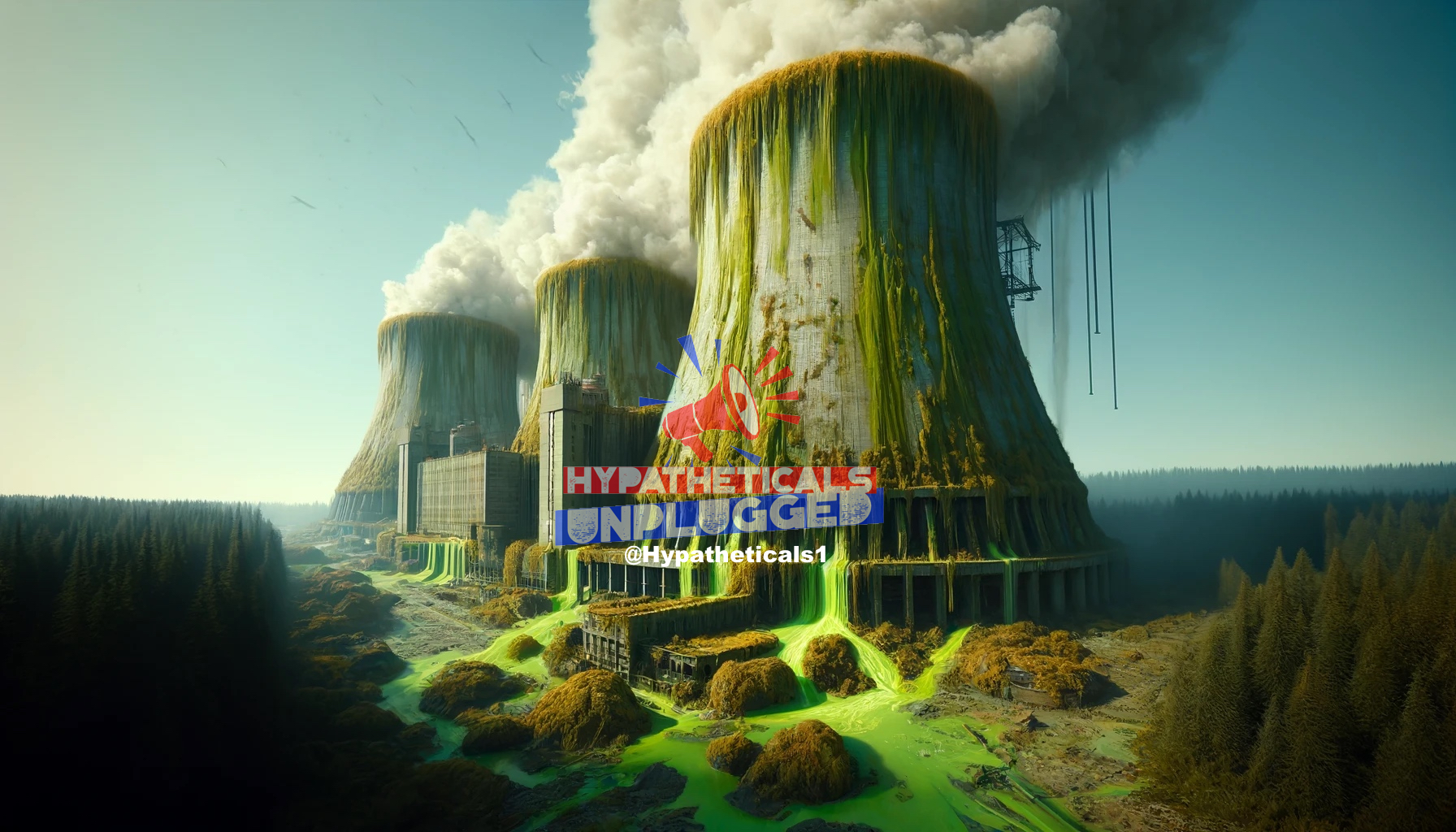
The Nuclear Reactor blog Peter Dutton DOESN’T WANT you to read…Uk sites that are operational - Holy Glowing Nuke Batman!
The news about new reactors isn’t great with all of the most recent ones going over budget MASSIVELY and ALL going well over schedule. But little is ever mentioned about the ones IN service. We look at the UK’s main reactors and it isn’t pretty unless you like your NUKEs with issues like leaks, cracks, corrosion and a whole host of REAL problems. “They won’t take about it but we WILL:
A quick check of history shows that cost overruns and delays are not restricted to new builds, indeed these following sites have had WORRYINGLY issues all the way
This ruins the pro-nuclear peeps day
Dungeness B - Hartlepool - Heysham 1 - Heysham 2 - Hinkley Point B - Hunterston B - Torness - Sizewell B
### Dungeness B Nuclear Power Station
Dungeness B has faced several challenges throughout its operational life, leading to significant cost overruns and safety issues. Initially, the plant experienced construction delays and cost escalations due to its advanced gas-cooled reactor (AGR) technology, which was relatively new and complex. Over time, EDF Energy invested heavily in life extension programs, including a £75 million replacement of its main data processing and control system and a £150 million investment to address ageing infrastructure and safety concerns such as boiler tube leaks and graphite core degradation. The station also dealt with significant external corrosion issues, necessitating extensive repairs to critical safety systems, including the renewal of over 300 meters of pipework ([Nuclear Engineering International](https://www.neimagazine.com/features/featuredungeness-b-extending-operations-until-2028-4576805/)) ([ONR](https://www.onr.org.uk/news/all-news/2021/10/enforcement-at-dungeness-b-power-station/)) ([NUCNET](https://www.nucnet.org/news/decommissioning-of-dungeness-b-units-to-begin-seven-years-ahead-of-schedule-says-edf-energy-6-2-2021)).
### Hartlepool Nuclear Power Station: Cost Overruns and Operational Challenges
**Cost Overruns and Delays** The construction of Hartlepool Nuclear Power Station, which began in 1969, faced significant delays and cost overruns. Initially scheduled to be operational in the early 1970s, the project was delayed by over a decade, with the first reactor finally generating electricity in 1983 and the second in 1985. One notable delay occurred in 1970 when the Nuclear Installations Inspectorate found issues with the station's boiler design, leading to an additional cost of £25 million and further delays ([Wikipedia](https://en.wikipedia.org/wiki/Hartlepool_Nuclear_Power_Station)) ([ONR](https://www.onr.org.uk/our-work/what-we-regulate/operational-power-stations/operational-sitesfacilites/hartlepool/)).
**Operational Challenges and Incidents** Over the years, Hartlepool has experienced various operational issues typical of advanced gas-cooled reactors (AGR). In 2013, a turbine hall fire caused by an oil leak temporarily shut down one of the reactors. Although the fire was quickly extinguished and no nuclear contamination occurred, it highlighted the ongoing maintenance challenges faced by ageing nuclear infrastructure ([Wikipedia](https://en.wikipedia.org/wiki/Hartlepool_Nuclear_Power_Station)).
**Maintenance and Investment** EDF Energy, the current operator, has continually invested in maintaining and extending the life of Hartlepool. Recent investments aimed at extending the plant’s operational life include significant upgrades to safety and operational systems. In January 2024, EDF announced plans to invest an additional £1.3 billion in maintaining the UK’s nuclear output, part of which would support Hartlepool’s operations until at least 2026 ([ONR](https://www.onr.org.uk/our-work/what-we-regulate/operational-power-stations/operational-sitesfacilites/hartlepool/)) ([EDF](https://www.edfenergy.com/energy/power-stations/hartlepool)).
**Future Prospects** Looking forward, Hartlepool has been identified as a potential site for new nuclear developments. The UK government has included Hartlepool in its list of suitable locations for future nuclear power stations. EDF is advocating for the development of Advanced Modular Reactors (AMR) at Hartlepool, which could play a crucial role in the UK's strategy to achieve net zero emissions ([EDF](https://www.edfenergy.com/energy/power-stations/hartlepool)).
Overall, Hartlepool Nuclear Power Station has had a challenging history marked by significant delays and cost overruns during its construction phase, ongoing operational and maintenance issues, and continuous investment to extend its life and improve safety standards.
### Heysham 1 Nuclear Power Station: Cost Overruns and Operational Challenges
**Cost Overruns and Construction Delays**
Heysham 1 nuclear power station, located in Lancashire, UK, began construction in the early 1970s and started generating electricity in 1983. Similar to other nuclear projects of the time, Heysham 1 experienced significant cost overruns and delays. The complex nature of advanced gas-cooled reactor (AGR) technology contributed to these issues, as the construction and commissioning phases were fraught with technical challenges.
**Operational Challenges and Incidents**
Throughout its operational life, Heysham 1 has faced various operational challenges and incidents. One notable issue occurred in 2014 when EDF Energy shut down the reactors for inspections due to potential problems with the boiler system. These inspections and subsequent maintenance were necessary to address safety concerns but added to operational costs and downtime.
In December 2023, a significant incident involved a valve failure that led to a steam leak while Reactor 1 was being returned to service. This incident prompted the Office for Nuclear Regulation (ONR) to issue an improvement notice to EDF Energy, emphasizing the need for enhanced safety measures and maintenance protocols to prevent future occurrences ([Wikipedia](https://en.wikipedia.org/wiki/Heysham_nuclear_power_station)) ([ONR](https://www.onr.org.uk/news/all-news/2024/02/steam-leak-at-heysham-1-leads-to-edf-improvement-notice/)).
**Maintenance and Investment**
EDF Energy has invested heavily in maintaining and extending the operational life of Heysham 1. Since taking over the UK's nuclear fleet in 2009, EDF has invested over £7 billion, including significant resources allocated to Heysham 1. This investment has enabled life extensions and improved the plant's safety and operational performance. In 2023, EDF announced an extension of Heysham 1's operational life to March 2026, following positive inspections of the graphite reactor cores, which showed they could safely continue generating electricity ([Wikipedia](https://en.wikipedia.org/wiki/Heysham_nuclear_power_station)) ([ONR](https://www.onr.org.uk/our-work/what-we-regulate/operational-power-stations/operational-sitesfacilites/heysham-1/)) ([EDF](https://www.edfenergy.com/media-centre/news-releases/edf-confirms-plans-keep-turbines-turning-heysham-1-and-hartlepool-power)).
**Future Prospects**
The continuous investment in Heysham 1 underscores its importance in the UK's energy strategy, particularly in providing zero-carbon electricity and supporting energy security. The plant's ability to generate electricity beyond its originally planned shutdown date highlights the effectiveness of the maintenance and safety measures implemented by EDF Energy.
In summary, Heysham 1 has faced its share of cost overruns and operational challenges, typical of ageing nuclear infrastructure. However, through substantial investments and rigorous maintenance efforts, EDF Energy has managed to extend the plant's operational life, ensuring it continues to contribute to the UK's energy needs while maintaining safety standards.
### Hinkley Point B Nuclear Power Station: Cost Overruns and Operational Challenges
**Overview and Cost Overruns**
Hinkley Point B, located near Bridgwater in Somerset, UK, was the first commercial advanced gas-cooled reactor (AGR) to generate power to the National Grid. The construction of Hinkley Point B began in 1967 and the station started generating electricity in 1976. Over its operational life, the station faced various challenges that led to cost overruns and required significant investments to maintain safety and operational standards.
**Operational Challenges**
One of the significant challenges at Hinkley Point B was the ageing of its graphite core. The graphite bricks, which form a critical part of the reactor core, degrade over time due to irradiation. This degradation led to concerns about the stability and integrity of the core. By 2016, the Office for Nuclear Regulation (ONR) had raised concerns over the number of fractures in keyways that lock together the graphite bricks. To address these concerns, EDF Energy installed super-articulated control rods that could function even if the core became destabilized ([Nuclear Engineering International](https://www.neimagazine.com/advanced-reactorsfusion/why-close-hinkley-point-b-early-8565897/)) ([Wikipedia](https://en.wikipedia.org/wiki/Hinkley_Point_B_nuclear_power_station)).
**Maintenance and Upgrades**
Throughout its operational life, EDF Energy undertook numerous maintenance and upgrade projects to extend the life of Hinkley Point B. In 2013, EDF increased the load on both reactors to 80%, resulting in an output increase. Despite these efforts, ongoing issues with the graphite core and other ageing components made it increasingly difficult to justify continued operation ([Wikipedia](https://en.wikipedia.org/wiki/Hinkley_Point_B_nuclear_power_station)).
**Closure and Decommissioning**
In November 2020, EDF announced that Hinkley Point B would stop generating electricity and move into the defueling phase by mid-2022. This decision was influenced by the extensive inspections and maintenance required to keep the ageing reactors safe and operational. The defueling process is expected to take several years, during which the removed fuel will be managed by the Nuclear Decommissioning Authority ([Wikipedia](https://en.wikipedia.org/wiki/Hinkley_Point_B_nuclear_power_station)).
**Conclusion**
Hinkley Point B has had a significant impact on the UK's energy supply, providing over 300 TWh of electricity during its lifetime. However, the combination of ageing infrastructure, high maintenance costs, and safety concerns ultimately led to its early closure. The challenges faced by Hinkley Point B highlight the complexities and financial implications of operating and maintaining older nuclear power plants ([Nuclear Engineering International](https://www.neimagazine.com/advanced-reactorsfusion/why-close-hinkley-point-b-early-8565897/)) ([Wikipedia](https://en.wikipedia.org/wiki/Hinkley_Point_B_nuclear_power_station)).
### Heysham 2 Nuclear Power Station: Cost Overruns and Operational Challenges
**Construction and Initial Delays**
Heysham 2 nuclear power station, located in Lancashire, UK, began construction in 1979 and started generating electricity in 1988. The project was managed by the National Nuclear Corporation (NNC), and like many other nuclear projects of its era, it experienced delays and cost overruns. The advanced gas-cooled reactor (AGR) design, while innovative, contributed to the complexities and increased costs associated with the construction and commissioning phases.
**Operational Challenges and Incidents**
Throughout its operational life, Heysham 2 has faced several operational challenges. One significant incident occurred in August 2019, when a reactor experienced an unplanned shutdown due to an electrical fault, which resulted in a large steam release and loud banging noises. This incident caused alarm among local residents and required immediate attention from the plant operators to manage the situation safely.
In addition to such incidents, the ageing infrastructure of the AGRs, including the graphite cores, has been a persistent issue. Routine inspections have often revealed cracks in the graphite bricks, which are critical for the reactor's stability and safety. These findings necessitate ongoing maintenance and monitoring to ensure safe operation.
**Safety Reviews and Regulatory Actions**
The International Atomic Energy Agency (IAEA) conducted an operational safety review of Heysham 2 in 2023, which highlighted areas for improvement in operational safety and maintenance practices. The review included recommendations for better identification and correction of substandard conditions, which EDF Energy, the plant's operator, has been addressing to comply with regulatory standards and ensure the continued safe operation of the plant.
**Future and Decommissioning**
EDF Energy has announced that Heysham 2 will cease operations in 2028, two years earlier than previously planned, due to the challenges associated with the ageing AGR technology and the insights gained from operational experience and modelling. The decommissioning process will involve a three-year defueling period, during which all nuclear fuel will be removed from the reactors before full decommissioning activities commence.
**Investment and Economic Impact**
Despite these challenges, EDF Energy has invested significantly in maintaining and extending the operational life of Heysham 2. Since taking over the UK's nuclear fleet, EDF has invested over £7 billion to support extended operating lifetimes and ensure energy security. These investments have allowed Heysham 2 to continue generating electricity beyond its initially expected lifespan, contributing significantly to the UK's power supply and supporting local employment.
Heysham 2's operational history underscores the complexities and financial implications of managing ageing nuclear infrastructure while maintaining safety and regulatory compliance. The plant's upcoming decommissioning marks the end of an era for one of the UK's significant nuclear power stations.
Sources:
- [World Nuclear News](https://www.world-nuclear-news.org/Articles/EDF-confirms-earlier-end-date-for-Heysham-2-and-To)
- [Office for Nuclear Regulation](https://www.onr.org.uk/)
- [Wikipedia](https://en.wikipedia.org/wiki/Heysham_nuclear_power_stations)
### Hunterston B Nuclear Power Station: Cost Overruns and Operational Challenges
**Cost Overruns and Construction Delays**
Hunterston B, located in North Ayrshire, Scotland, began operation in 1976. The initial construction faced the typical challenges of large nuclear projects of its time, including cost overruns and delays due to the complexity of advanced gas-cooled reactor (AGR) technology. The station was designed for a 25-year lifespan, but its operation was extended several times, highlighting both the investment in maintenance and the ongoing challenges in ensuring safety and reliability.
**Operational Challenges and Safety Concerns**
Hunterston B has encountered numerous operational challenges throughout its lifetime, particularly related to the ageing graphite core. Cracks in the graphite blocks, which are crucial for the reactor's stability and safety, have been a persistent issue. These cracks forced temporary shutdowns, most notably between 2018 and 2019, to conduct detailed inspections and safety assessments. The discovery of cracks wider than anticipated prompted further scrutiny and regulatory interventions to ensure that the reactor could operate safely ([STV News](https://news.stv.tv/west-central/inside-hunterston-b-as-nuclear-power-station-marks-its-final-hours)) ([Nuclear Free Local Authorities](https://www.nuclearpolicy.info/news/edf-case-for-continued-agr-reactor-operations-cracking-up-says-nfla/)).
**Safety Incidents**
The plant has experienced multiple safety incidents, including cooling system failures, pump malfunctions, and control room panel issues. These incidents, while managed without radiological consequences, raised significant concerns about the ageing infrastructure's reliability. The Office for Nuclear Regulation (ONR) and EDF Energy worked closely to address these issues, but the incidents underscored the increasing risks associated with continued operation ([Nuclear Free Local Authorities](https://www.nuclearpolicy.info/news/nfla-concerns-reopening-hunterston-b-reactor/)).
**Closure and Decommissioning**
Hunterston B ceased operations in January 2022 and has entered the defueling phase, which is expected to take several years. The early closure, compared to its extended lifespan, was influenced by the ongoing safety concerns and the technical difficulties associated with maintaining the integrity of the reactor's graphite core. The defueling process involves removing all nuclear fuel from the reactors, with subsequent decommissioning activities planned ([ONR](https://www.onr.org.uk/news/all-news/2023/10/key-defuelling-milestone-for-hunterston-b/)) ([EDF](https://www.edfenergy.com/media-centre/news-releases/hunterston-b-power-station-granted-permission-final-period-generation)).
**Future Implications**
The closure of Hunterston B marks a significant transition in Scotland's energy landscape, shifting focus from nuclear to renewable energy sources. This change reflects broader energy policy trends in the region, emphasizing sustainability and reduced reliance on nuclear power. The decommissioning process will ensure that the site is safely managed, and efforts are being made to protect jobs through accelerated decommissioning programs and other transitional initiatives.
In summary, Hunterston B's operational history is marked by significant cost overruns, technical challenges, and safety concerns, particularly related to its ageing graphite core. The decision to cease operations earlier than planned highlights the complexities and risks of maintaining ageing nuclear infrastructure while transitioning towards more sustainable energy sources.
### Torness Nuclear Power Station: Cost Overruns and Operational Challenges
**Construction and Initial Delays**
Torness nuclear power station, located near Dunbar in East Lothian, Scotland, began construction in 1980 and was commissioned in 1989. It was the last of the UK’s second-generation nuclear power plants to be built. Like many nuclear projects, it experienced significant delays and cost overruns during construction due to the complexity of advanced gas-cooled reactor (AGR) technology ([Wikipedia](https://en.wikipedia.org/wiki/Torness_Nuclear_Power_Station)) ([GOV.UK](https://www.gov.uk/government/publications/operational-safety-review-torness-nuclear-power-station-2018-independent-report-and-government-response/osart-report-on-torness-nuclear-power-plant-2018)).
**Operational Challenges and Safety Concerns**
Torness has faced several operational challenges over the years, particularly with its cooling system. In 2002, the failure of a gas circulator pump due to fatigue cracks required significant repairs. Further issues arose in 2005 and 2011 when seaweed and jellyfish blocked the seawater cooling intake system, leading to temporary shutdowns of both reactors ([Wikipedia](https://en.wikipedia.org/wiki/Torness_Nuclear_Power_Station)).
A more persistent issue has been the cracking of graphite cores, similar to the problems seen at Hunterston B. These cracks, known as keyway root cracks, were first predicted to start appearing around 2022. Such cracks pose a risk to the reactor’s stability and safety, potentially leading to a systematic failure that could impact the ability to cool the reactor fuel properly. This concern prompted a reevaluation of the plant's operational lifespan ([The Ferret](https://theferret.scot/torness-nuclear-plant-close-cracks/)) ([The Ferret](https://theferret.scot/first-cracks-found-in-torness-nuclear-reactor/)).
**Safety Reviews and Regulatory Actions**
An IAEA Operational Safety Review Team (OSART) review in 2018 identified several areas for improvement at Torness, including the need for more challenging action plans and better use of operating procedures to ensure safety. The review also highlighted the station’s good practices, such as the development of a Marine Ingress Weather Alert System and improvements in corrosion management ([GOV.UK](https://www.gov.uk/government/publications/operational-safety-review-torness-nuclear-power-station-2018-independent-report-and-government-response/osart-report-on-torness-nuclear-power-plant-2018)).
**Early Closure and Decommissioning**
Originally scheduled to close in 2030, the operational life of Torness has been brought forward to 2028 due to the anticipated cracking in the graphite cores and other ageing issues. Some experts and campaigners argue that the plant should close even earlier to mitigate safety risks associated with the deteriorating graphite cores ([The Ferret](https://theferret.scot/torness-nuclear-plant-close-cracks/)) ([The Ferret](https://theferret.scot/first-cracks-found-in-torness-nuclear-reactor/)).
**Impact and Future Plans**
Torness has played a significant role in the local economy, employing around 500 staff and contributing approximately £45 million annually. As Scotland transitions towards renewable energy sources, the focus is shifting from nuclear power to wind, solar, and other sustainable options. The decommissioning of Torness will follow a detailed plan to ensure safety and manage the long-term environmental impact ([The Ferret](https://theferret.scot/first-cracks-found-in-torness-nuclear-reactor/)).
Overall, Torness nuclear power station has faced notable cost overruns, operational challenges, and safety concerns throughout its life. The early closure reflects the complexities and risks associated with maintaining ageing nuclear infrastructure while ensuring public and environmental safety.
### Sizewell B Nuclear Power Station: Cost Overruns and Operational Challenges
**Construction and Cost Overruns**
Sizewell B, located in Suffolk, England, is the UK's only pressurized water reactor (PWR) and began operation in 1995. The construction of Sizewell B faced significant cost overruns and delays. Initially estimated to cost around £1.69 billion, the final cost escalated to approximately £3.8 billion by the time it was completed. These cost overruns were attributed to a combination of factors, including stringent safety requirements, design changes, and the extended timeline of the project ([Wikipedia](https://en.wikipedia.org/wiki/Sizewell_nuclear_power_stations)) ([Parliament UK](https://api.parliament.uk/historic-hansard/commons/1990/jun/25/sizewell-b)).
**Operational Challenges**
Since becoming operational, Sizewell B has encountered various technical and maintenance issues. One notable incident occurred in 2011 when a fault in the pressurizer's heating elements led to a significant leak. The pressurizer, crucial for maintaining pressure in the reactor's primary circuit, developed a small split in one of the elements due to water infiltration, which caused magnesium oxide insulation to swell and crack. This incident necessitated an extensive and carefully managed repair operation involving remote-controlled robots and new safety measures to monitor the condition of the pressurizer's components ([Nuclear Engineering International](https://www.neimagazine.com/features/featuresizewell-b-under-pressure/)).
**Safety and Maintenance Issues**
In addition to the pressurizer leak, Sizewell B has faced other maintenance and safety challenges. Regular inspections and maintenance are critical due to the ageing infrastructure. For example, there have been issues related to the cooling systems and containment structures that required significant attention to ensure ongoing operational safety. The station's management has emphasized continuous improvement and learning from these incidents to enhance safety protocols and operational reliability ([Nuclear Engineering International](https://www.neimagazine.com/features/featuresizewell-b-under-pressure/)).
**Future and Lifespan Extension**
EDF Energy, the operator of Sizewell B, is considering extending the plant's operational life by at least 20 years, from the current planned end date of 2035 to 2055. This extension is part of a broader strategy to ensure energy security and support the UK's low-carbon electricity generation goals. The proposed extension will involve further investments in maintenance and safety upgrades to address ageing components and ensure the plant can continue to operate safely and efficiently ([Nuclear Engineering International](https://www.neimagazine.com/features/featuresizewell-b-under-pressure/)).
**Economic and Environmental Impact**
Sizewell B plays a significant role in the local economy, providing jobs and contributing to the local community. The station generates approximately 3% of the UK's electricity, supplying power to around 2.5 million homes. Its continued operation is seen as vital for maintaining a stable and reliable supply of low-carbon electricity as the UK transitions to more renewable energy sources ([Wikipedia](https://en.wikipedia.org/wiki/Sizewell_nuclear_power_stations)) ([Nuclear Engineering International](https://www.neimagazine.com/features/featuresizewell-b-under-pressure/)).
In summary, Sizewell B has faced substantial cost overruns and operational challenges throughout its history, but ongoing investments in safety and maintenance are aimed at ensuring its continued contribution to the UK's energy needs.